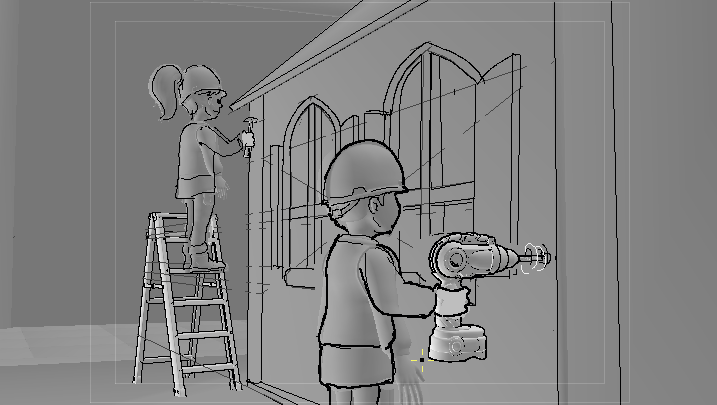
Storyboards for Bob the Builder were created using pioneering 3D storyboarding, which allowed us to push a cinematic approach to storytelling and create accurate boards for the CG pipeline. A relatively new technique using primitive software by today’s standards (the drawing tools were painful!), it helped work out the logistics and build scenes on the set, empowering me with more tools to create cinematic sequences. Beta testing this and future software paved the way to today’s powerful storyboarding tools for TV. Of course, the greatest emphasis in Bob the Builder was on story and acting, fleshing out comedy and drama from the script.
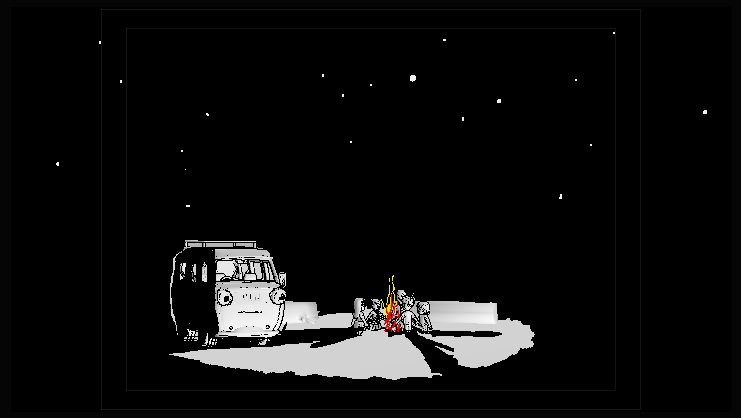
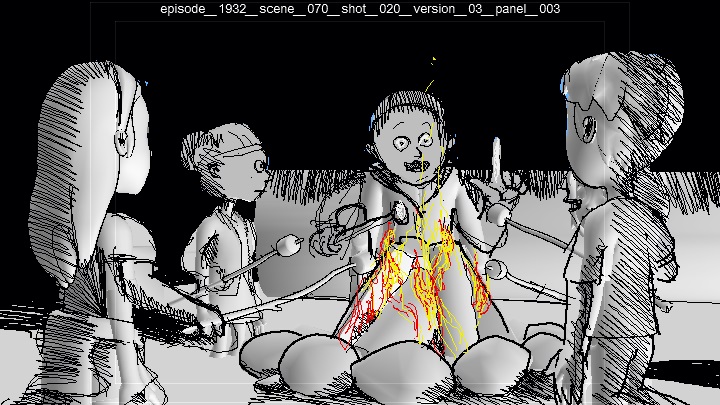
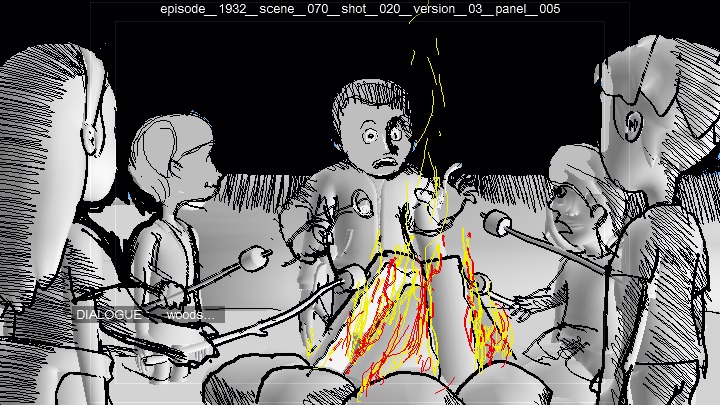
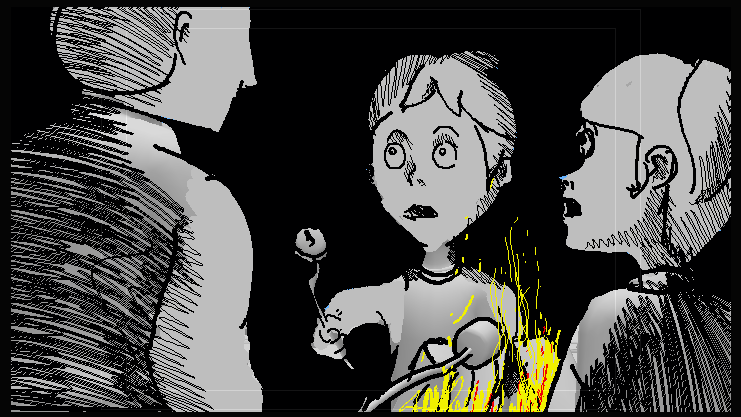


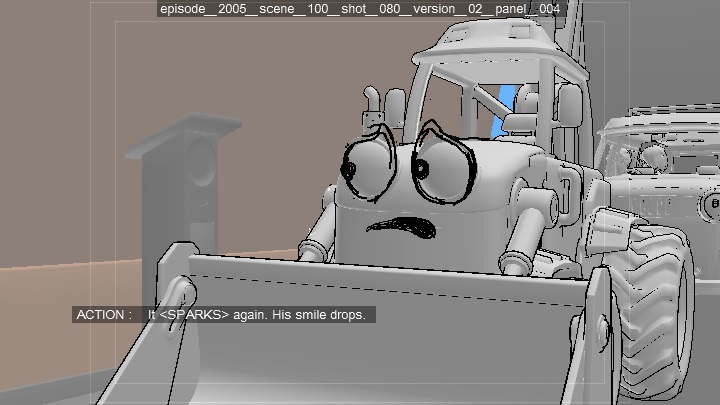


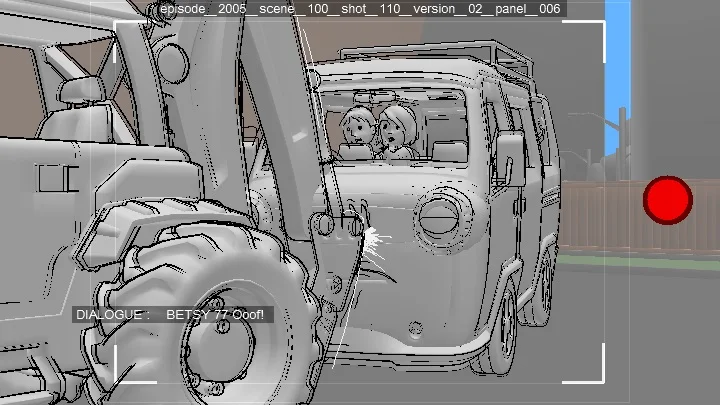


In Drive Through Disaster, Leo films the grand opening of Chef Tatties’ drive-in café, which doesn't quite go according to plan. I chose to stage much of the action through Leo's camera phone, adding extra visual suspense through the unfolding drama.
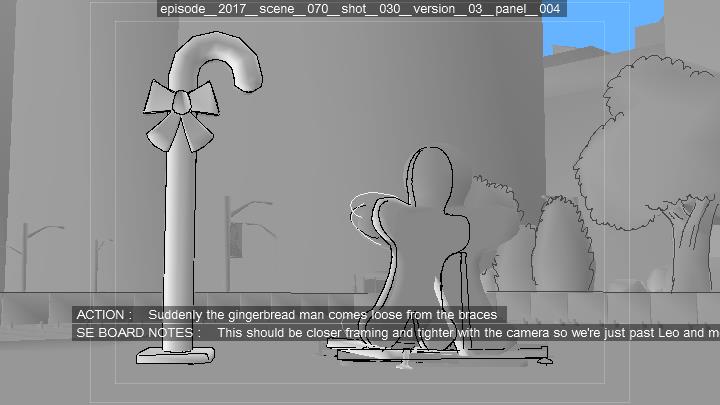
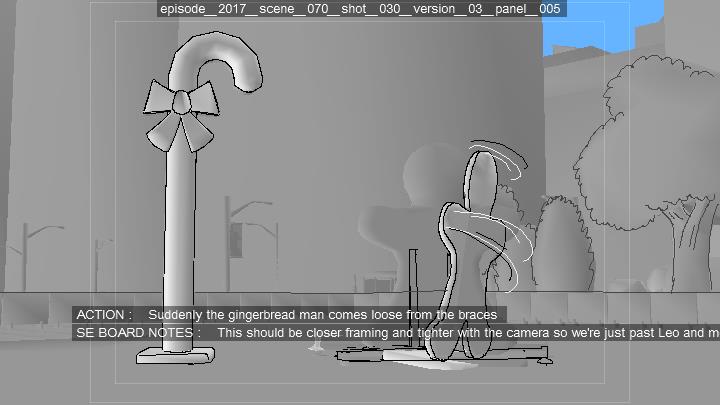
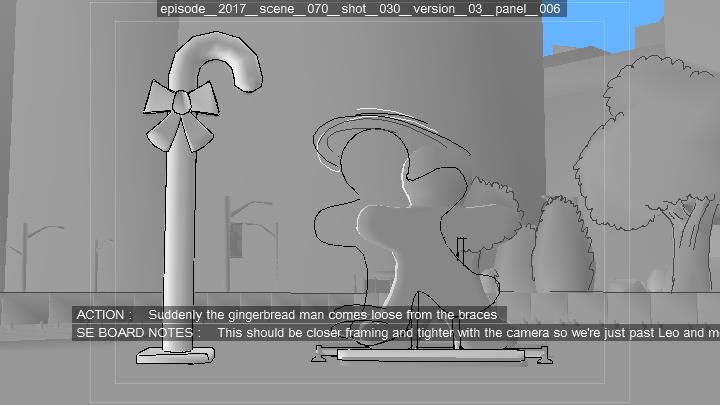
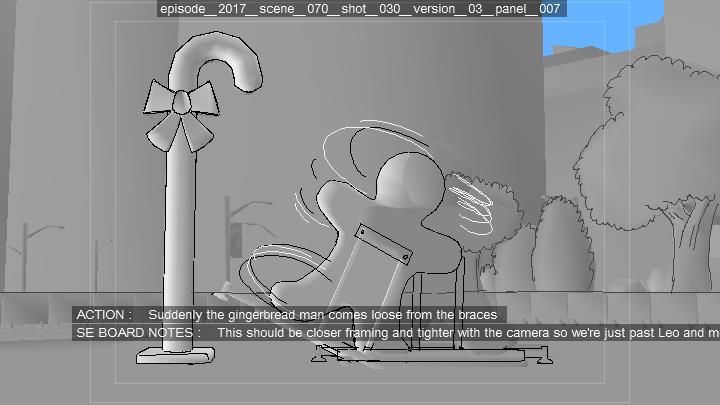

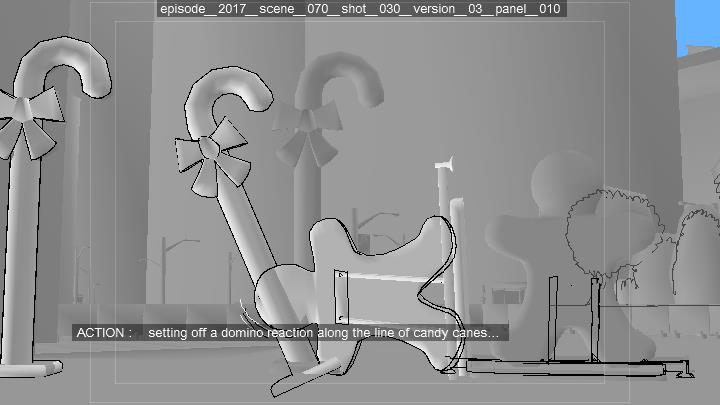


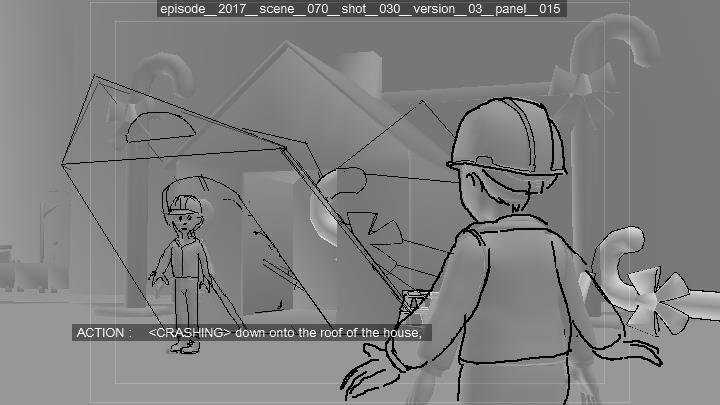


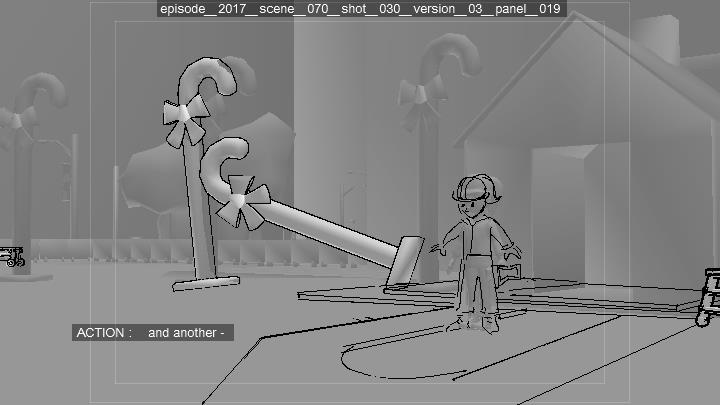
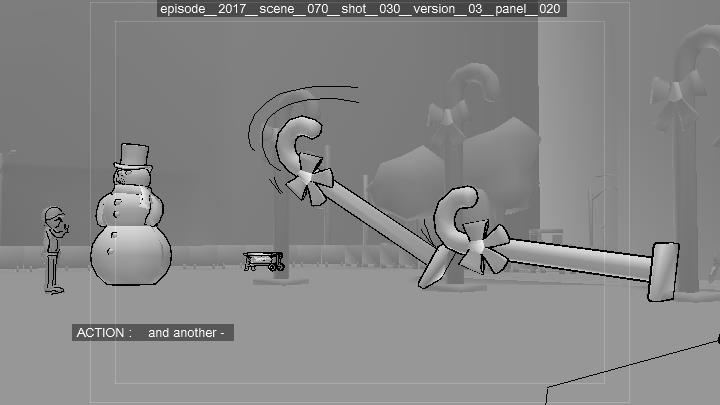
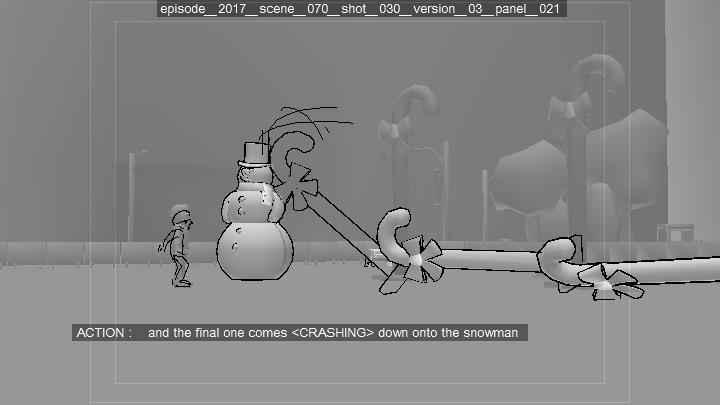
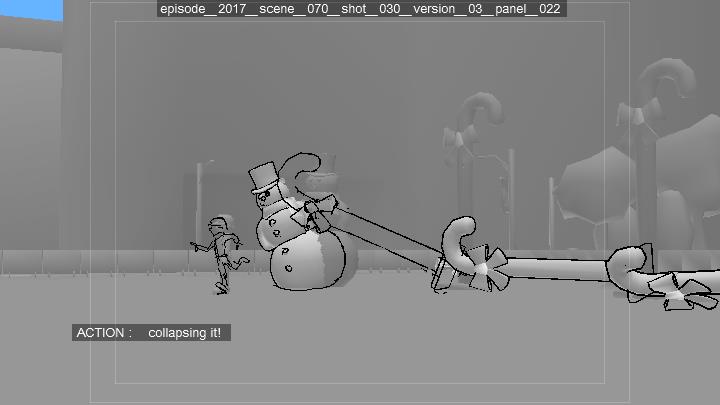
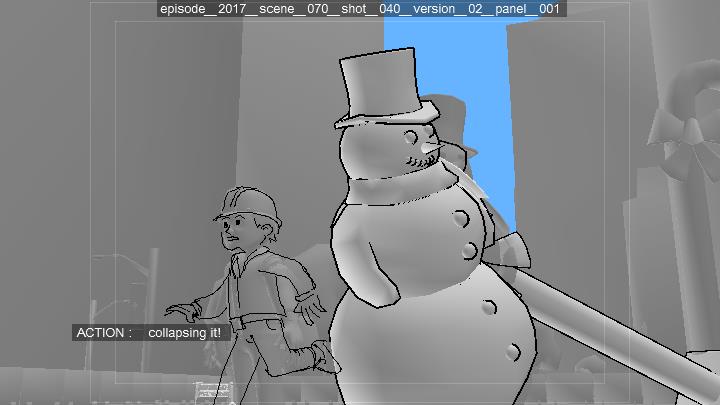
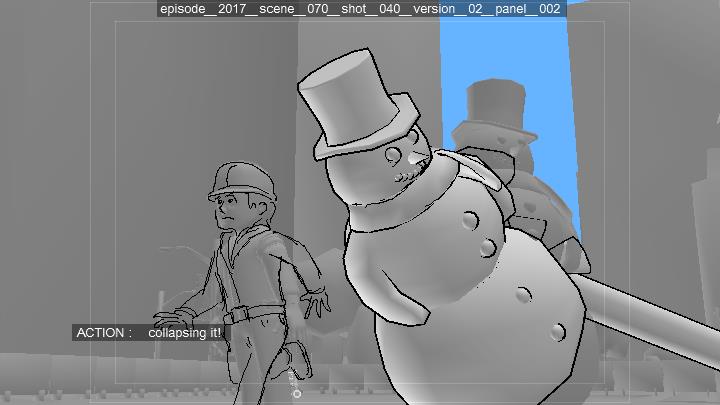
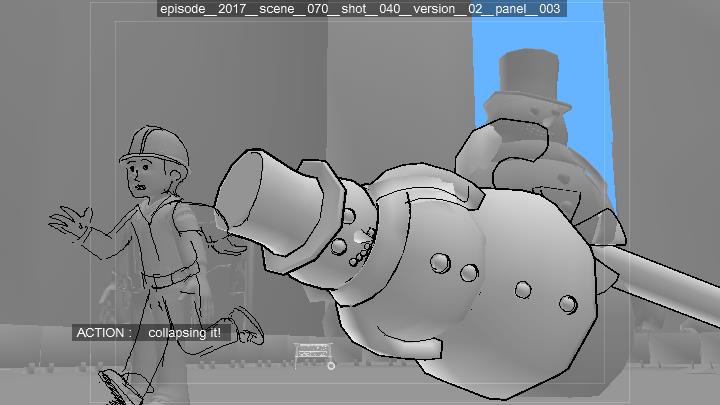
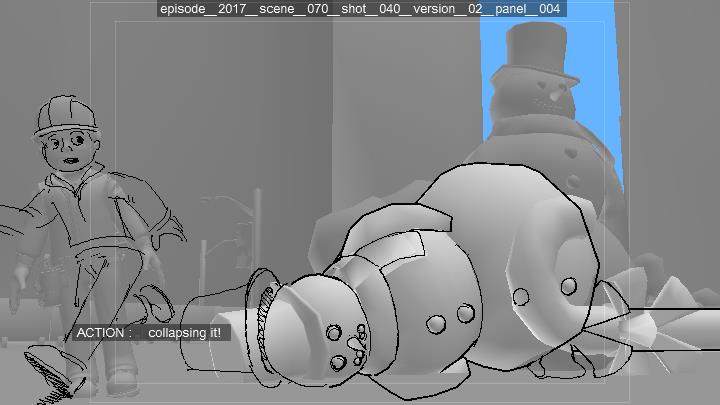
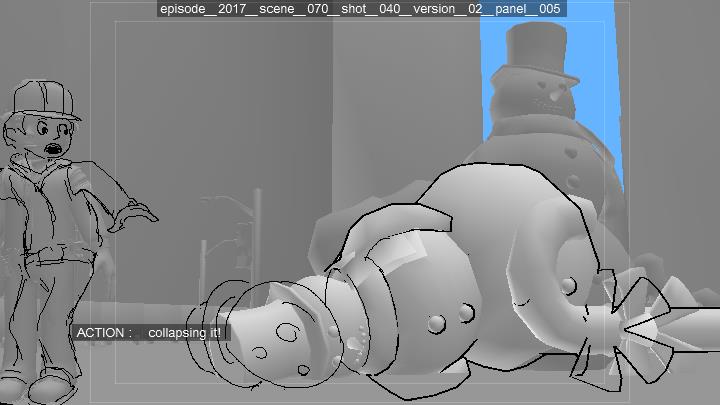
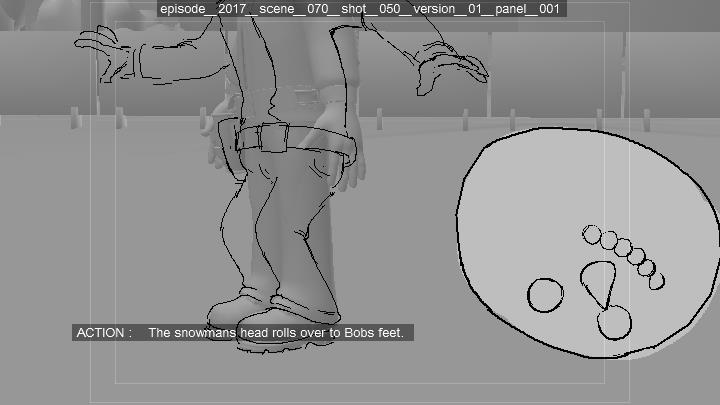

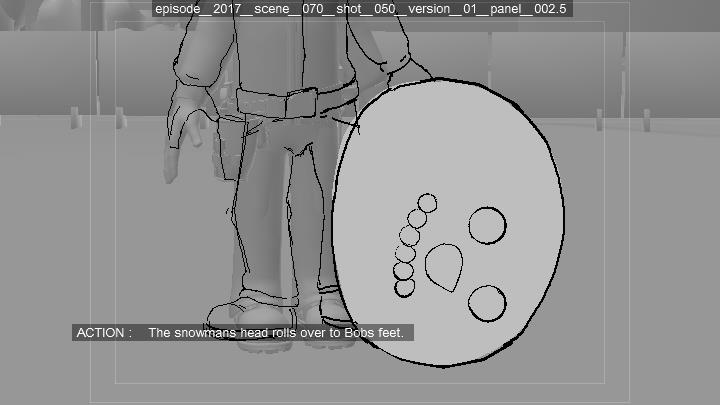
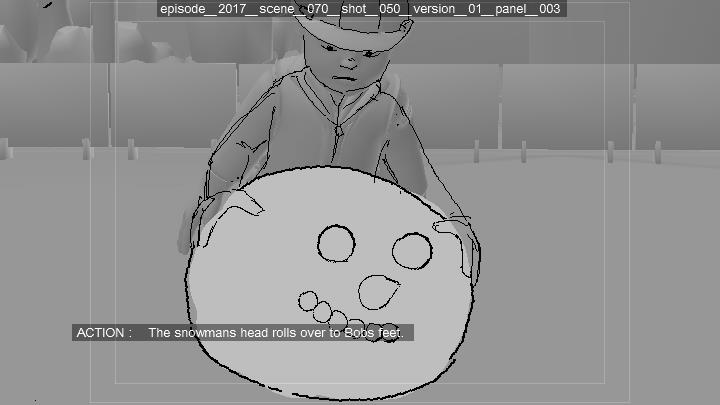
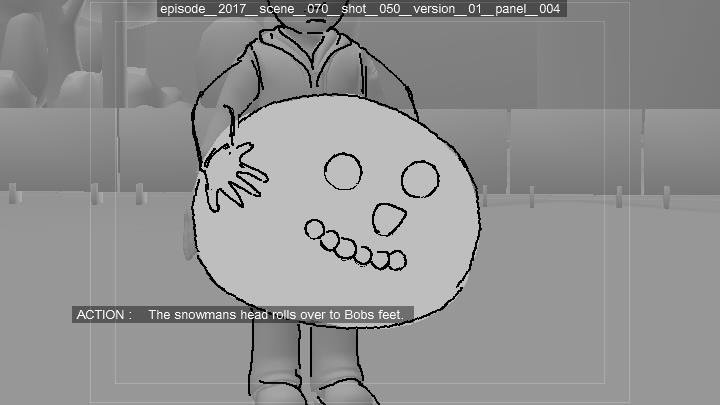
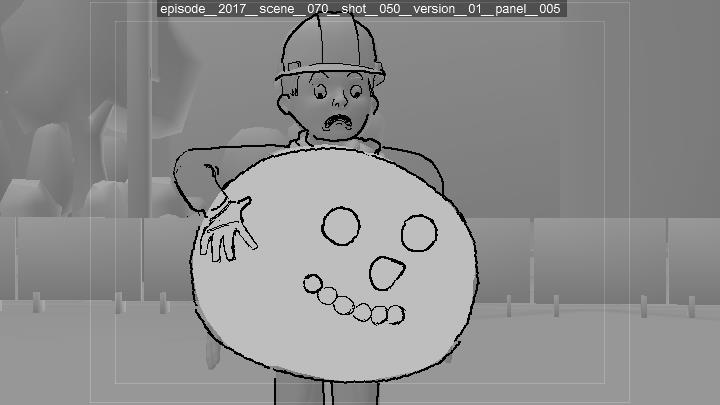
In Muck the Elf, a gust of wind unleashes a domino destruction of Bob’s Christmas display. A great opportunity to add visual comedy, I included a homage to Buster Keaton’s falling house facade, replacing Buster Keaton with Wendy! Rather than staging in multiple shots, I used a panning shot to place the audience amidst the action to show the escalating damage to their Winter Wonderland before moving into tighter dramatic shots.
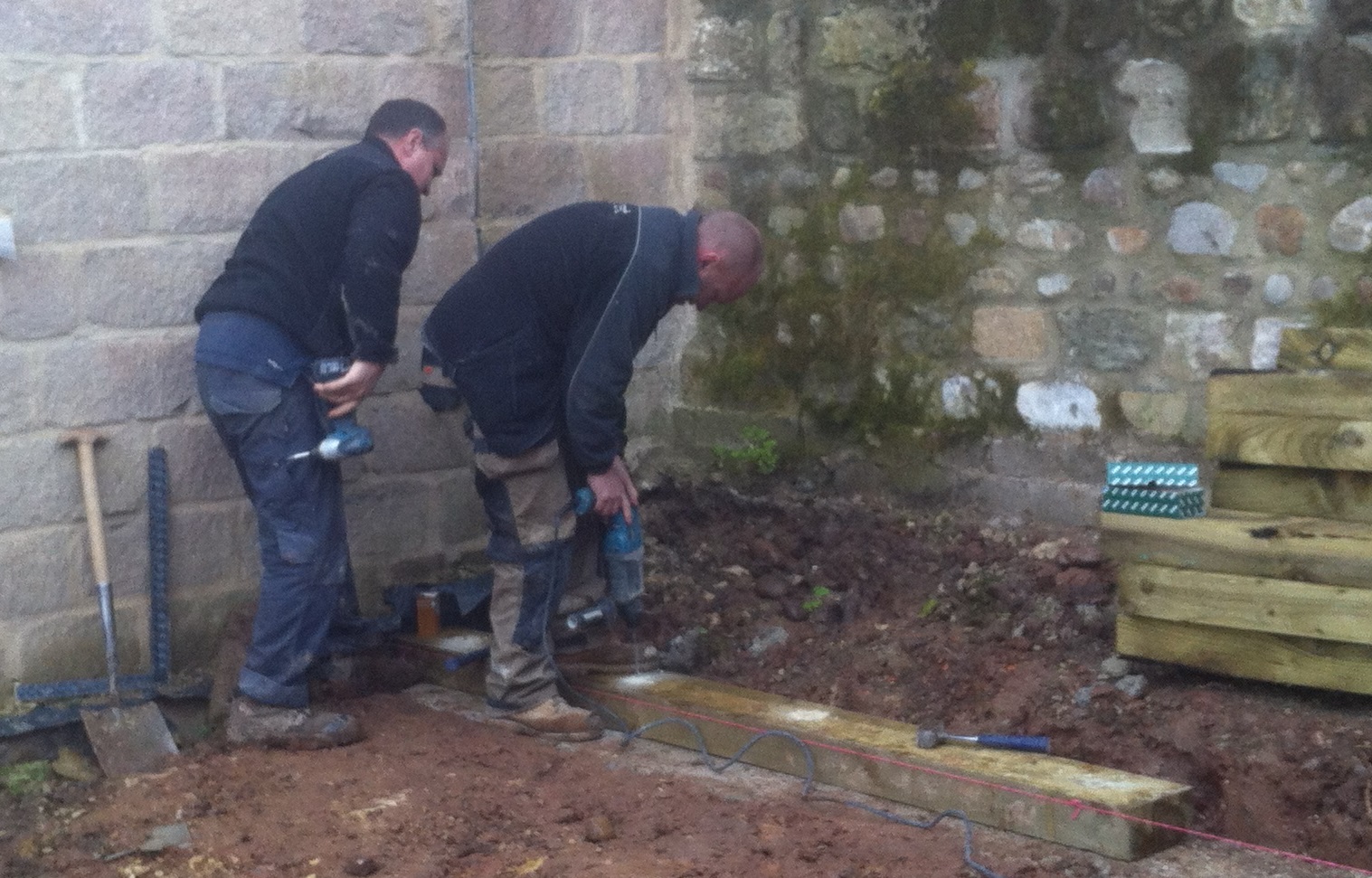
Research always plays an important part in any project. For Bob the Builder, I made a site visit to a building site to understand more about working methods. Watching builders working together influenced my staging of build scenes and visualising the series learning principle: ‘working together to get the job done’.